Amor Ardearum – 14 August 2026
Let’s play: Poetry blurb or Sopranos episode?*
‘The life of a deeply flawed individual… The whole is a symbolic and panoramic commentary on the human condition.’
‘Despairing, vengeful and destructive… unusually clever, sardonic, hardminded… works of great artistic purity…’
‘Encountering the monstrous, defeating it, and then having to live on, physically and psychically exposed, in that exhausted aftermath.’
‘Urgent and unflinching, Killing Spree tests how the human spirit might endure under conditions set to undo it.’
‘Fragrant lives, full of blood and perfume…’
Blurbs are really hard to write. Poetry blurbs especially. Collections are always by turns devastating and consolatory. Everything is about war, love, parenthood, bodies, rejecting binaries and exploring the (currently most over-used term) liminal. Maybe printing a poem or extract from one on the cover would be more indicative of the collection. Some kind of stamp, used sparingly and wielded by the ghost of Louise Glück, reading ‘The Real Thing’ would not go amiss.
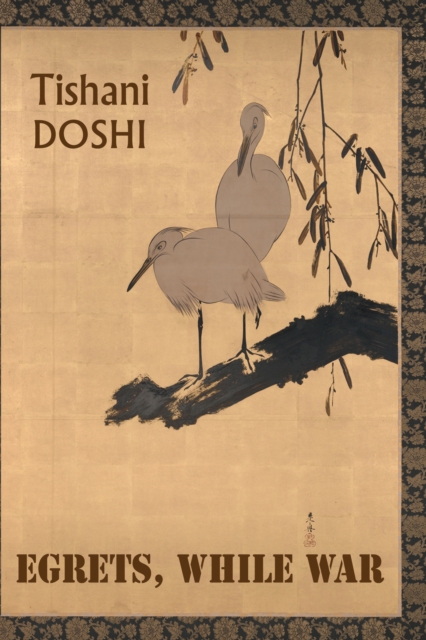
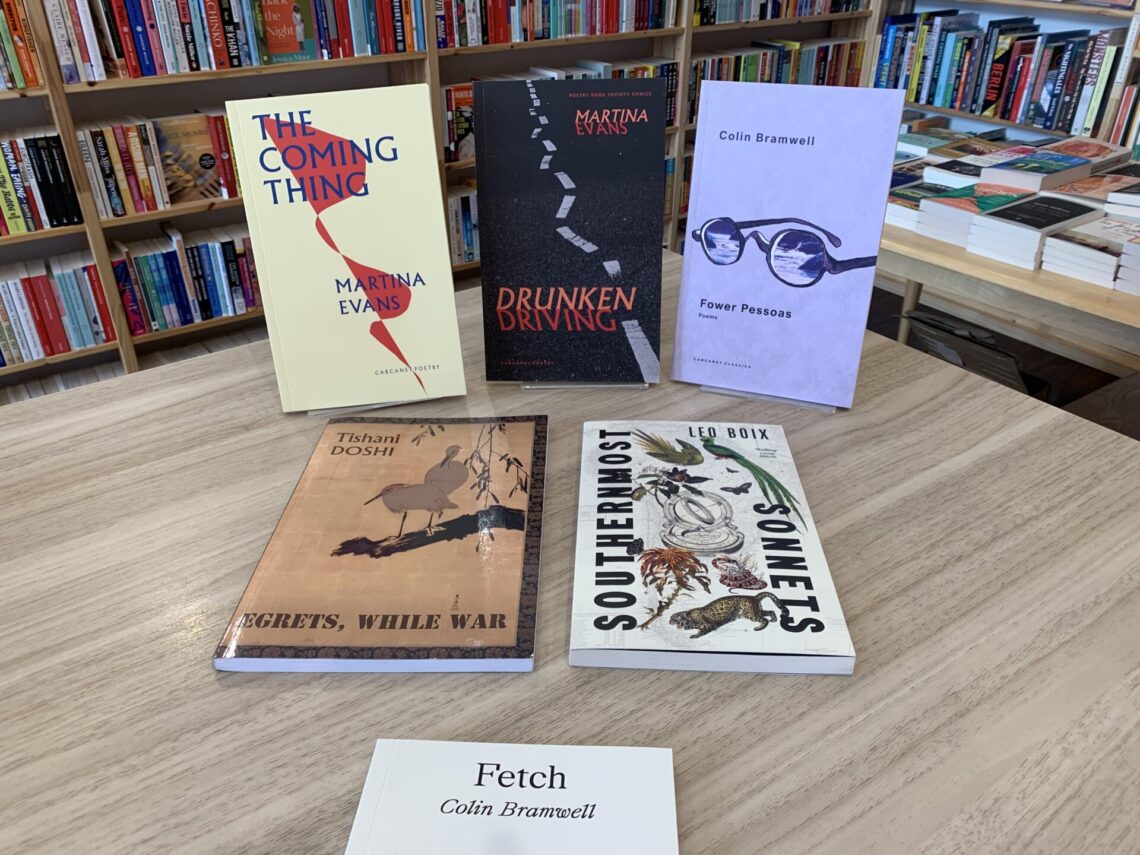
In the case of Egrets, While War by Tishani Doshi I picked it up for no better reason than that it is called Egrets, While War. Obviously I am going to read something with a heron-related title and that comma is superb.
Did the description of it as a ‘lyric field guide to grief and resilience’ draw me in? Um. Does it ‘navigate the deep entanglements between environmental loss, ancestral memory, the slow transformations of ageing, and the devastations of war?’ Sure.
Doshi’s poems are playful and inventive: she writes a sonnet for the eagle who tried to steal the bobble from her sister’s hat and a paean to Nadal[’s thighs] and the time she once did tequila shots with him. They are moving: she imagines her Welsh and Indian grandfathers meeting, two men without shared language, sharing an embrace on a mountaintop and is sent back to scenes and longings from her childhood by seeing a particular brand of toothpaste in Trinidad. They are angry: ‘Post-atrocity Statement’ is a clever and bald reprimand. Birds, alive, extinct and mythical fill the pages while war unfolds. The stalking dance of dinosaur egrets offers a portal into a long-distant past against humanity’s short yet destructive history. The poet’s delight resonates (often moments before she evokes an image that makes your stomach drop). ‘Darling,’ she writes in Amor Mundi,
I do not know how it happened that we found
a world to name and love, how this many-
drawered cocoon of longing grew,
but I want to tell you, the tree outside
our window has erupted with bright orange
goblets from which a pair of parakeets—
emerald-bodied luminaries—feed and feed.
I can do no better than the professionals in trying to précis Doshi’s writing but I will add that each poem gave me the sensation of standing next to someone as they reveal a door in a wall that I have always missed.
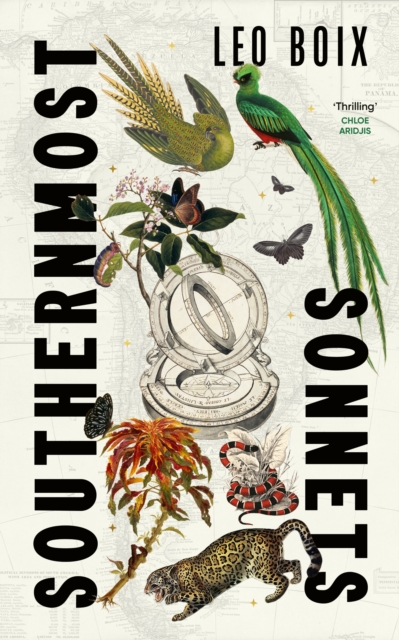
Well aware that I have set myself up for disaster, I shall fall short in describing Southernmost: Sonnets by Leo Boix, a collection of sonnets about growing up in Argentina fascinated by the natural world, collecting insects, losing one’s parents, travelling, moving to Kent and finding romantic love. Also Eva Perón and the world’s smallest armadillo, unflappable and with satanic eyes.
Tulips ‘explode in the garden, feathery like Josephine Baker’s dancing skirts,’ a mythical Alicanto, a bird ‘made of green copper’ hovers, ‘glowing like a hanging lantern in a land of gods’, the night sky in Ecuador is ‘a spluttered shawl’ and a rare butterfly enters a room in Buenos Aires where the poet’s father is dying, turning the stone house lapis lazuli for a few seconds with the flapping of its wings.
Like Doshi, Boix offers mischief and levity: in one poem he searches for a sonnet he is certain he wrote about an argument with his boyfriend for which the poet is to blame. Honourable, to admit his guilt surely. But then, if he can’t find the poem, maybe never wrote it, is he managing to secure forgiveness without actually needing to apologise? Must try this.
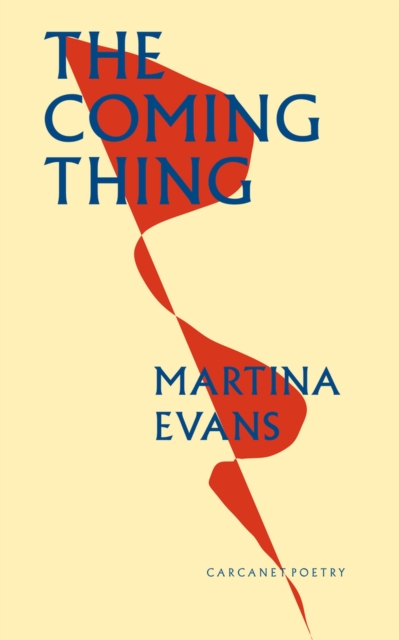
I may stand more chance in expressing the subject of The Coming Thing by Martina Evans since the book is one narrative poem, following Imelda as she grows up in 1980s Cork. Her father looms large with instructions about what to study (what on earth could one do with Arts?), has eyes and ears everywhere (can’t a girl enjoy a joint or a cheeky snog in peace?) and is convinced that he alone has ever suffered aches and pains or varicose veins (‘I must be the only girl in Ireland to be subjected to that kind of leg display by her father.’).
Overheard song lyrics and the cadence of an Irish turn of phrase contrast with the more prosaic chaos of Imelda’s decisions. Religion, politics and abortion laws threaten. The coming thing may be modernity, may be adulthood, may be that terrifying reality: tomorrow and its consequences. Itis a hectic and a serious drama, a mixture of play, novel, poetry and story to tell over a lengthy pub session.
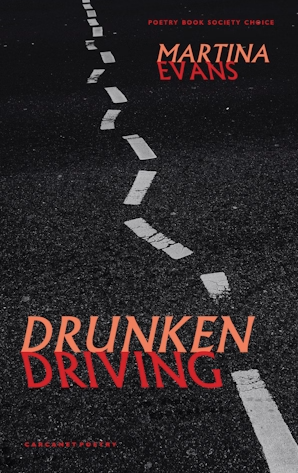
Its sequel, Drunken Driving, set ten years on with Imelda working in the X-ray department at Pentonville Prison, while lines from Dracula and prison rules echo in her mind is suitably wild.
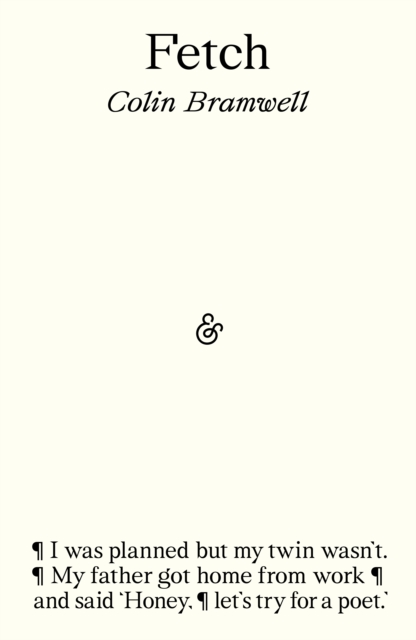
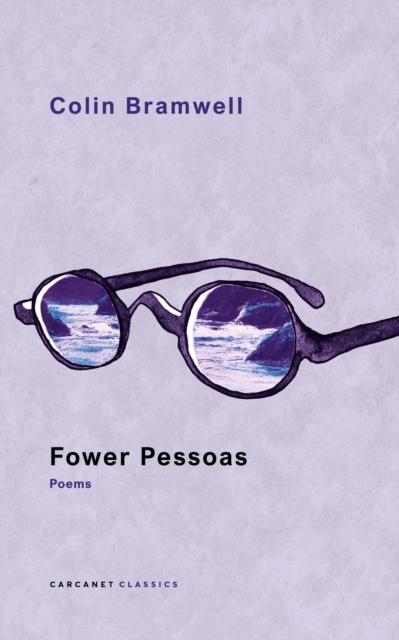
If you aren’t a poetry convert yet, and indeed if you are, come to the shop on 2 September to hear Colin Bramwell launch his new collection Fetch. His previous book, Fower Pessoas, a translation and reimagining of Fernando Pessoa’s poetry into Scots-language is noisy and fervent fun and has just won the Highland Book Prize.
Fetch is similarly entertaining, even if your fetch, (your doppelgänger who comes to bring you to the underworld) doesn’t sound like the jauntiest of characters. I can’t wait to hear it in the poet’s voice. Even in my head my attempts at the accent are an embarrassment.
May the coming weekend be full of birds and tequila-drinking tennis players,
Lizzie
*In case you are wondering, in order: Milton, Plath, Beowulf, Jorie Graham and Warsan Shire. My Odyssey-length poem on Carmela Soprano, Mob-Wife Chic, is forthcoming.**
** Occasionally, people believe claims I make here. Please don’t.
Featured in the newsletter
-

Egrets, While War
£12.99 -

Fetch
£14.99 -

The Coming Thing
£12.99 -
Southernmost: Sonnets
£12.99 -
Fower Pessoas
£12.99 -

Drunken Driving
£12.99